
Advice works when knowledge is the missing part
Software development consulting is useful when your team needs an expert answer and can implement it consistently. It becomes a poor fit when the team already knows what good looks like and the operation still cannot repeat it.
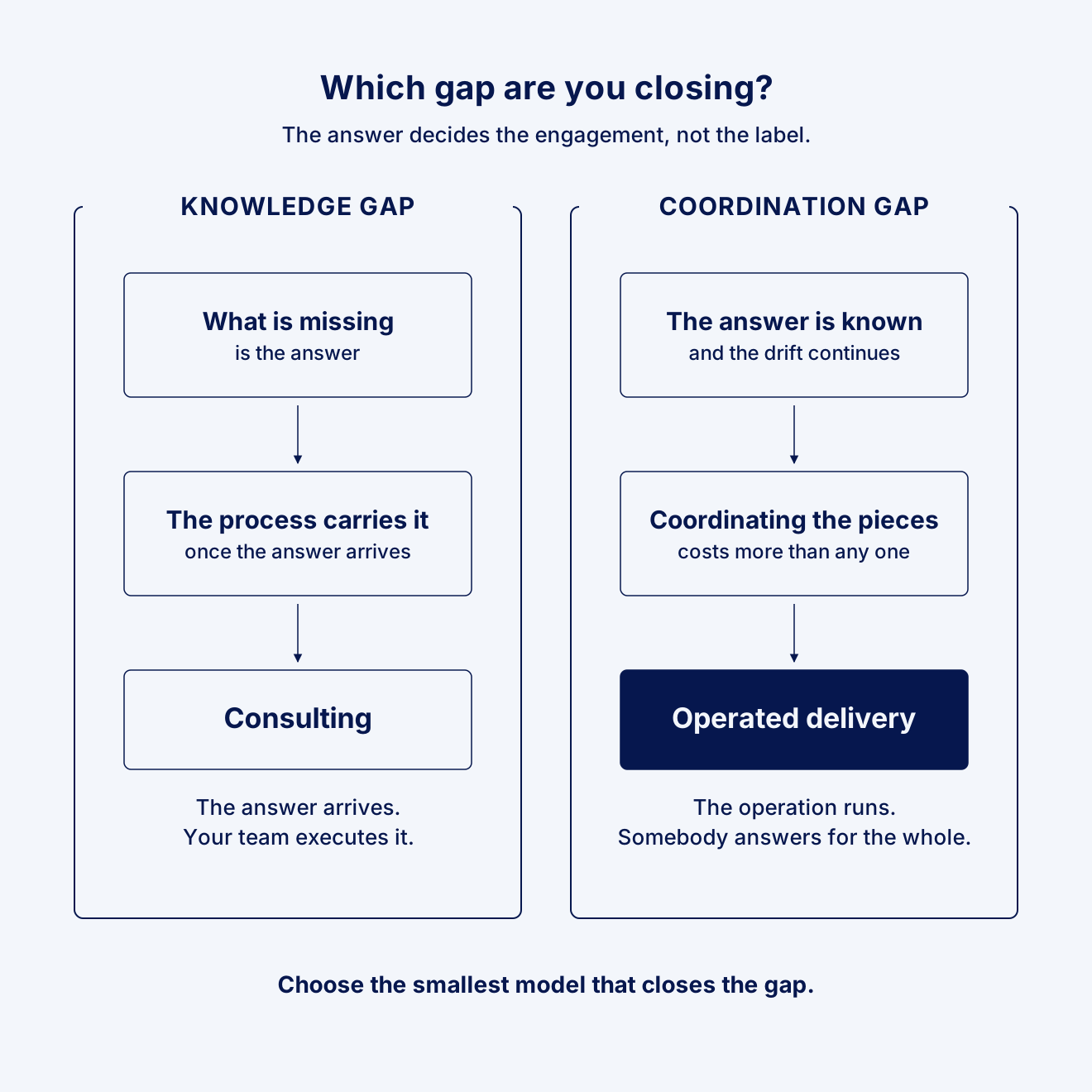
Choose consulting for a bounded knowledge gap
- An architecture decision needs an independent review.
- A security or compliance question needs specialist analysis.
- The team needs a roadmap and has the authority and capacity to execute it.
- The answer can be delivered without owning the operation that follows.
Good consulting makes a bounded decision easier to make
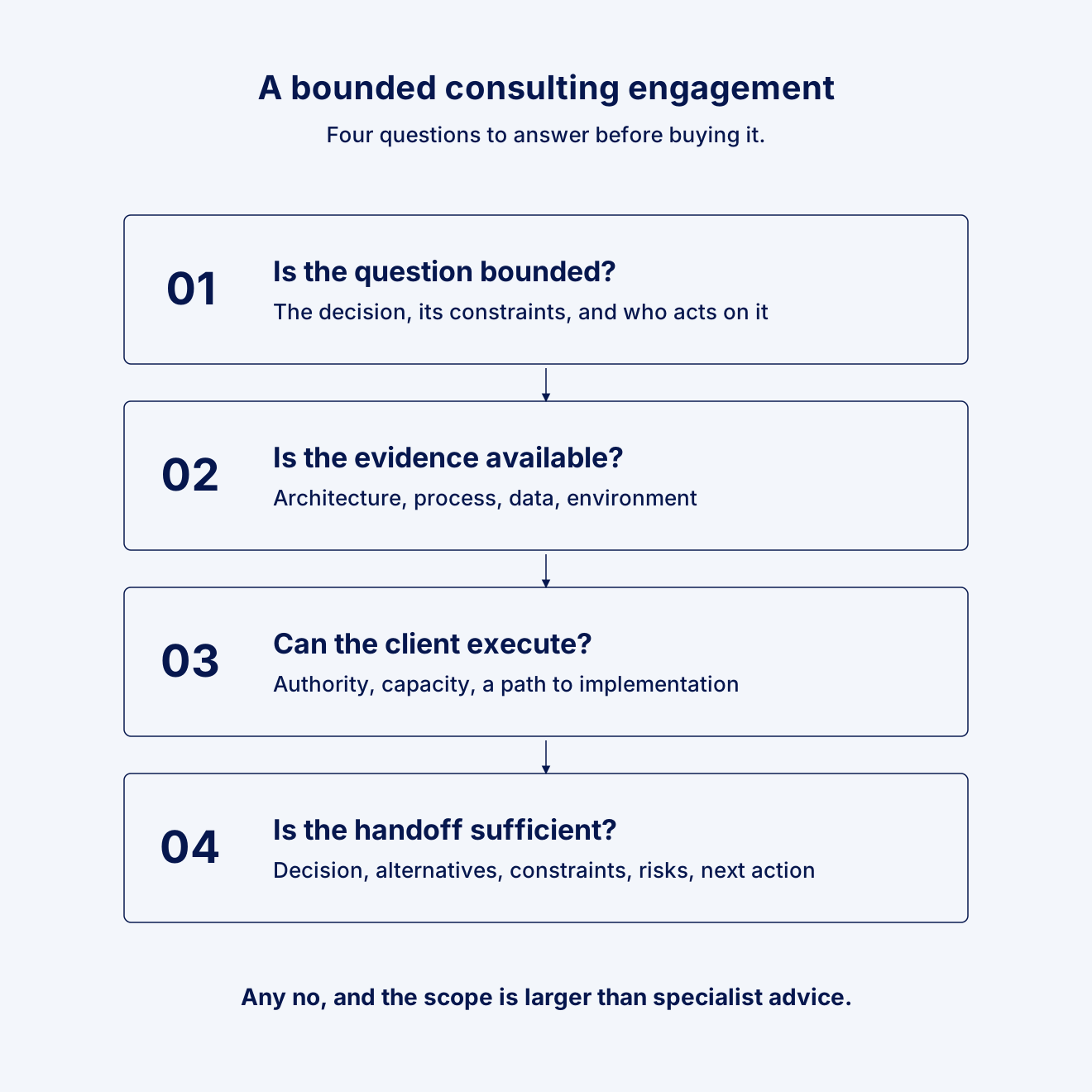
A useful consulting engagement starts with a question narrow enough to answer and ends with a decision the client can own. Before buying it, ask four things.
Is the question bounded?
The team should be able to state the decision, the constraints around it, and who will act on the answer. If the question is really why delivery keeps drifting, the scope is already larger than specialist advice.
Is the required evidence available?
The consultant needs access to the architecture, process, data, or environment that makes the recommendation defensible. An opinion based on a slide deck should not be treated as an operating answer.
Can the client execute the recommendation?
Consulting assumes the client has authority, capacity, and a reliable path from decision to implementation. If those are missing, the recommendation becomes one more item the same constrained operation must coordinate.
Is the handoff sufficient?
The final artifact should record the decision, alternatives considered, constraints, risks, and the next action. It should not require continuing access to the consultant merely to understand what was recommended.
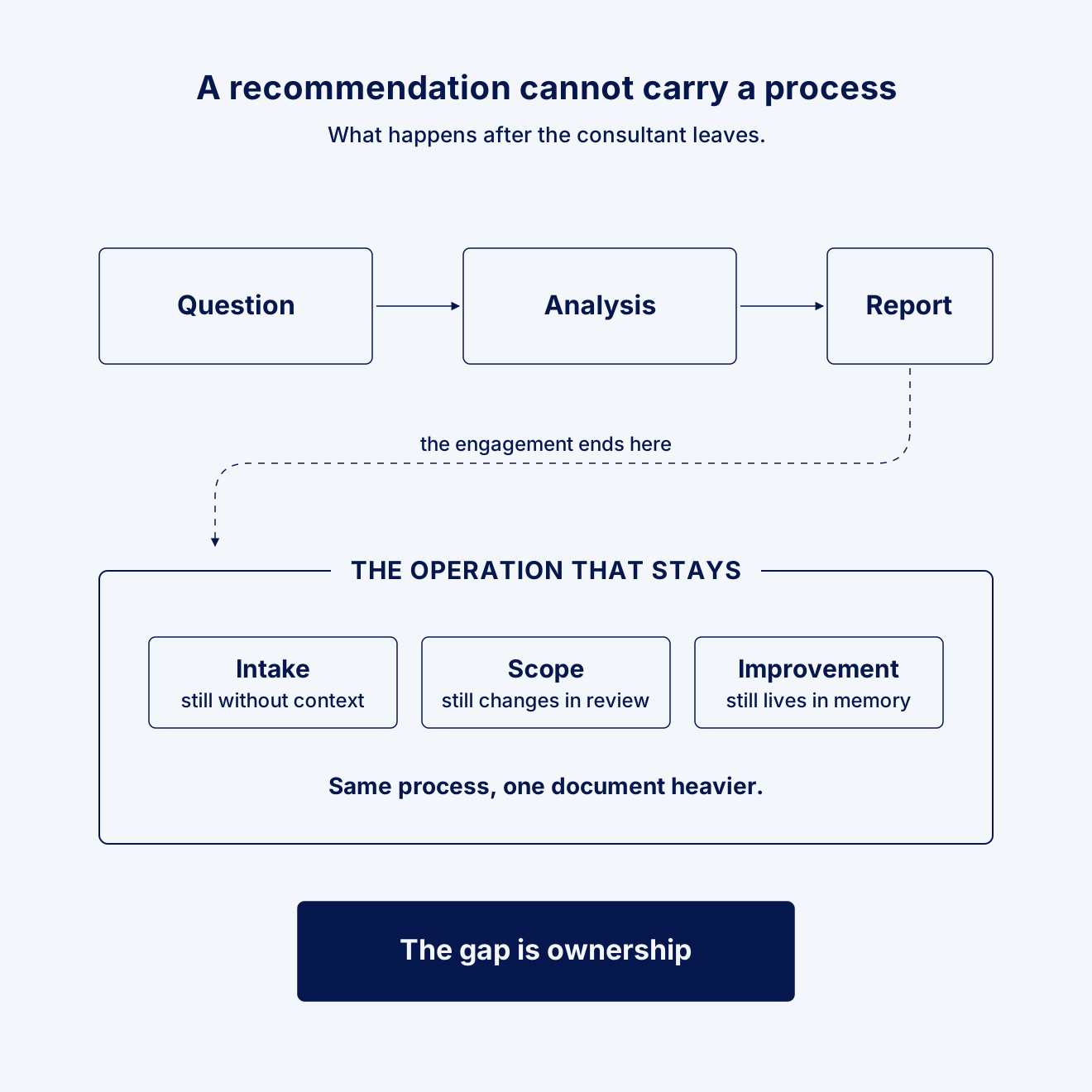
A recommendation cannot carry a process after the consultant leaves
If requests still arrive without enough context, scope still changes inside review, and improvement still depends on a few people remembering what was agreed, the gap is not another answer. It is an operation that needs explicit ownership.
Inventeer takes responsibility for the whole or a bounded dedicated cell
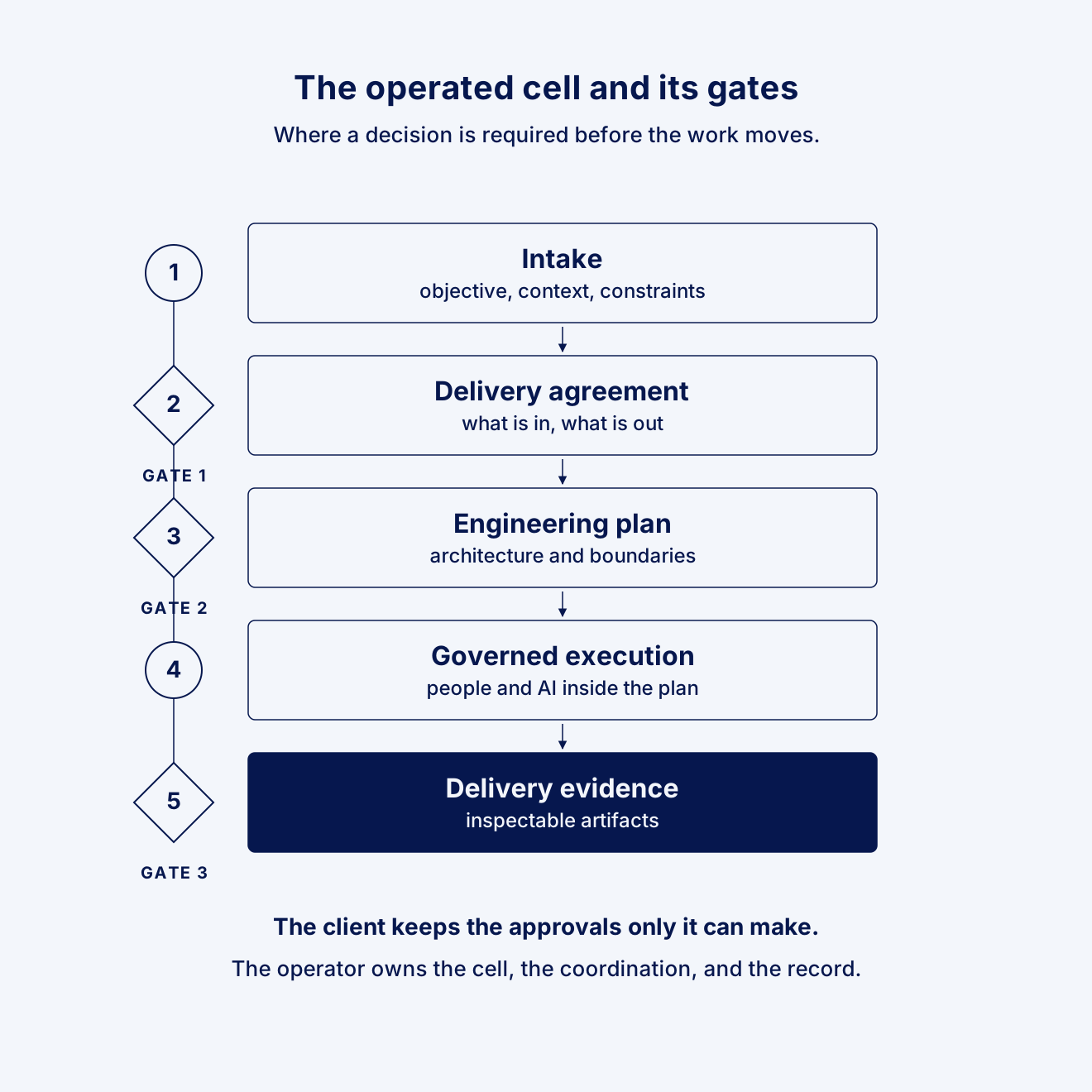
The engagement uses structured intake, approved scope, an engineering plan, governed execution, and delivery evidence. The Inventeer Delivery System is the method the operation runs on, not a document handed over for the client to operate alone.
AI adds execution capacity inside that structure. It is not the category and it is not the purchase.
Operated delivery carries the decision into repeated work
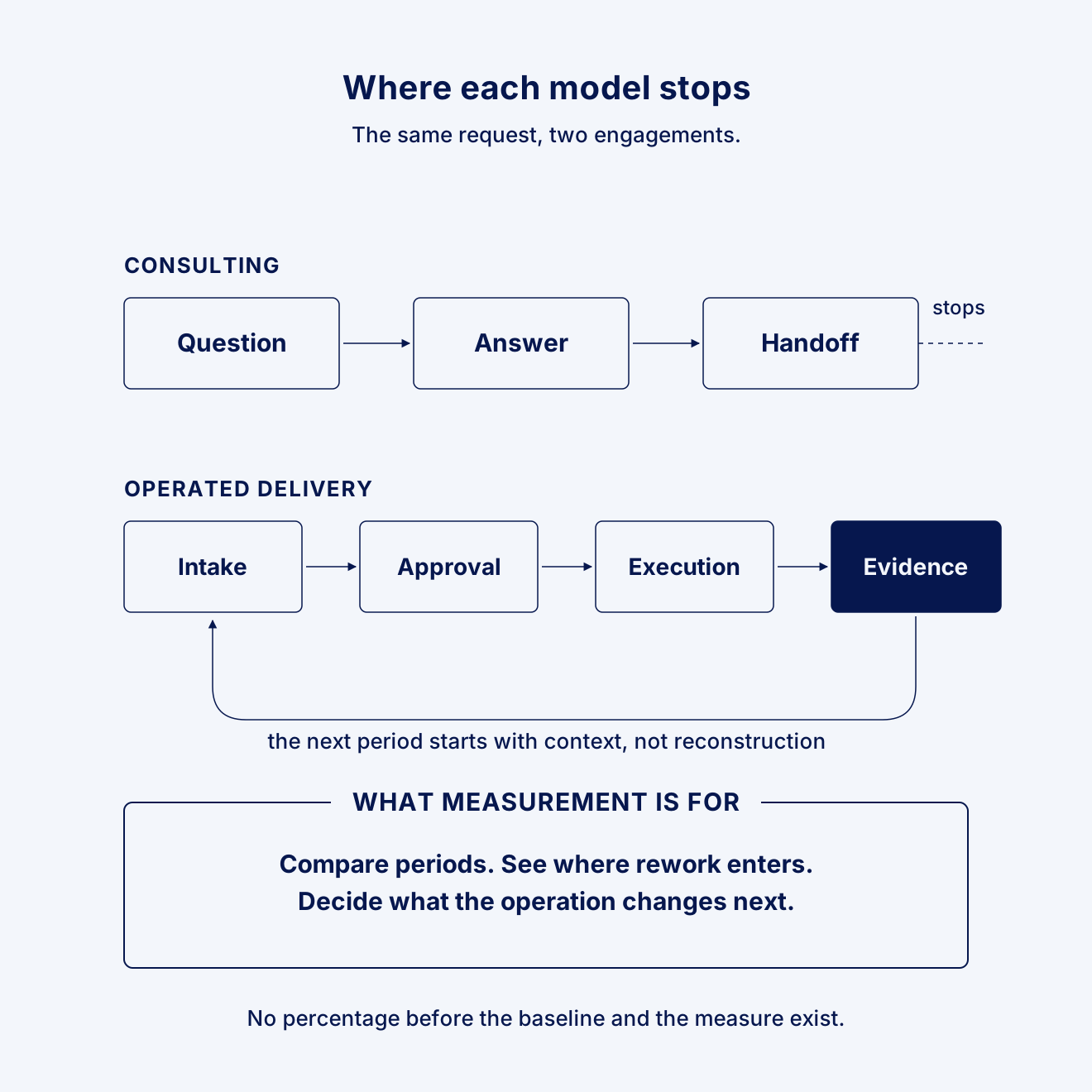
The operating model begins where a recommendation normally ends. It turns the objective into structured intake, records the approved boundary, plans the technical work, governs changes during execution, and ties completion to evidence.
That distinction changes accountability. The client still owns business authority and the approvals only it can make. The operator owns the agreed whole or dedicated cell, including coordination, execution discipline, and the record that connects the result to the decision.
Measurement also has a different job. It does not decorate a final report. It lets the client compare periods, see where rework enters, and decide what the operation should change next. No percentage should be promised before the baseline and measure exist.
Buy the model that matches the missing capability
Knowledge missing: consulting.
Individual capacity missing inside a trusted process: staffing.
A defined technical capability missing: tool vendor.
Coordination and accountability missing: operated delivery.
Do not add an operator when the process already carries the work
Operated delivery is not useful when the problem is a single expert question, when internal ownership and coordination already work reliably, when the company wants only temporary individuals under its own managers, or when leadership will not change intake, approvals, and evidence. It is also the wrong model for a one-time document with no execution responsibility.
Choose the smallest model that actually closes the gap. Consulting may be enough. Staffing may be enough. A tool may be enough. Internal hiring may be the better long-term ownership choice.
Questions to answer before choosing the engagement
What is software development consulting?
It is expert analysis or guidance applied to a bounded software decision. The client normally retains responsibility for implementation and the operation that follows.
How is consulting different from a software house?
Consulting primarily supplies an answer or decision path. A software house primarily supplies construction. Either may extend its scope, so the contract and operating responsibility matter more than the label.
How is operated delivery different from consulting?
Operated delivery accepts responsibility for a continuing whole or bounded cell. It connects intake, approval, execution, change control, and evidence instead of ending at the recommendation.
Can a company need consulting before operated delivery?
Yes. A bounded architecture, security, or strategy question may need resolution before an operation can be defined. The engagements should remain distinct so advice is not mistaken for execution approval.
Should a consultant guarantee implementation results?
Only if the engagement also gives the consultant responsibility and authority over the implementation boundary. A guarantee without operating control is not a clear allocation of risk.
When is staffing the better choice?
When the client’s process is trusted, management is available, decision rights are clear, and the missing input is individual capacity rather than operating ownership.
When should we hire internally instead?
Hire when the missing capability must remain inside the company and the organization can support its management, development, and long-term accountability.